Product-specific evidence
Each opportunity needs its own identity, rights, source, quality, regulatory, handling and commercial evidence. A category label is never enough.

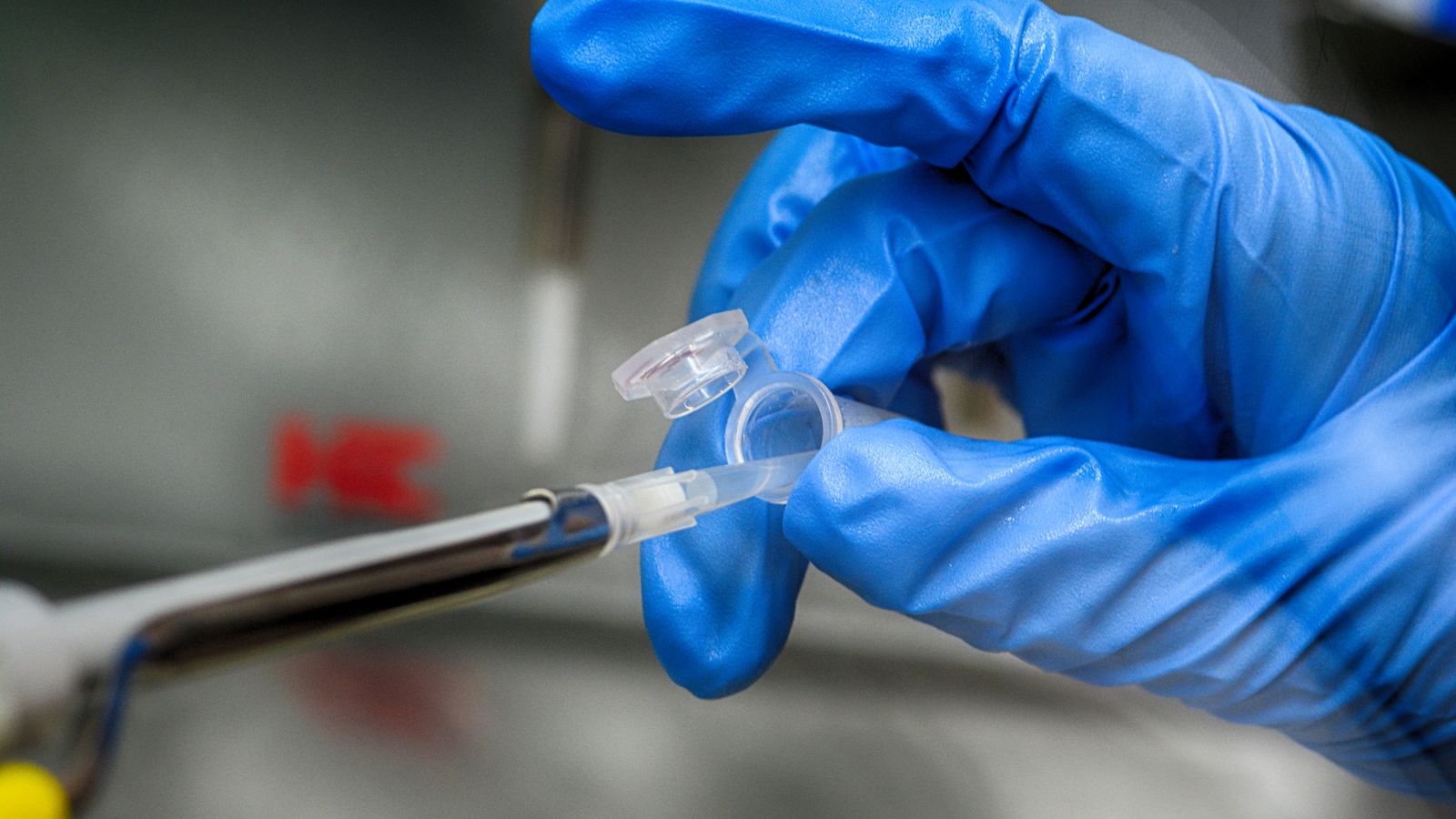
Formulation, source, quality, condition and regulatory readiness—connected before supply.
Strategic focus only. NovaPharm does not present oncology products as approved, stocked or available, and does not provide patient, treatment or prescribing advice. Regulated wholesale activity will begin only after the required authorisations are granted.
Each opportunity needs its own identity, rights, source, quality, regulatory, handling and commercial evidence. A category label is never enough.
The product owner, manufacturer, specialist provider, logistics organisation and future wholesale operator retain clearly assigned responsibilities.
Storage, transport, packaging, monitoring and excursion decisions follow the approved or proposed product requirements and qualified lane evidence.
Commercial interest does not override authorisation, quality review, document completeness or an accountable release decision.
Formulation and readiness detail stays available without dominating the first read.
Tablets and capsules may appear operationally familiar, yet strength, pack, source product, shelf life, labelling, repackaging, storage and licence pathway remain product-specific. The review begins with identity and rights, not a sales catalogue.
A liquid opportunity can involve concentration, excipients, container closure, dosing presentation, in-use conditions, microbiological controls, palatability and technology-transfer questions. NovaPharm's role is to make those dependencies visible to the qualified organisations that own them.
Sterile, injectable or temperature-sensitive opportunities demand appropriately authorised manufacturers, laboratories, release arrangements, packaging systems and logistics providers. NovaPharm does not claim in-house sterile manufacture, laboratory testing or an owned cold chain.
Specialist and supportive-care categories may be assessed where there is a substantiated B2B need. Product availability, approval, price and customer demand are not inferred from a strategic category and must be verified at the decision point.
| Dimension | Question | Required evidence | Stop condition |
|---|---|---|---|
| Identity and rights | Is the exact product, source, presentation and right to supply evidenced? | Identity records, rights, source-product evidence and approved scope | Ambiguous product or unverified commercial rights |
| Regulatory route | Is the applicable UK pathway defined without assuming approval? | Pathway assessment, authority requirements and accountable owner | Required authorisation absent or route unsupported |
| Quality and manufacture | Can qualified parties support manufacture, testing, release and oversight? | Authorisations, quality evidence, agreements and release architecture | Critical evidence, role or agreement gap |
| Condition and custody | Are storage, transport, packaging and exception controls product-specific? | Lane, pack-out, monitoring, custody and excursion evidence | Unqualified lane or unresolved condition risk |
| Demand and continuity | Are planning inputs approved, bounded and resilient to uncertainty? | Demand basis, lead times, constraints, scenarios and human review | Forecast presented as certainty or unsupported demand claim |
| Release and communication | Are release authority, audience, claims and records controlled? | Accountable decision, release evidence, approved copy and audit trail | Product promoted or supplied before readiness |
No. Oncology and specialist medicines are strategic areas for B2B opportunity assessment. This page does not state that any oncology medicine is approved, stocked or available from NovaPharm. Regulated wholesale activity will begin only after the required authorisations are granted.
NovaPharm does not present itself as holding a WDA(H) or another unverified pharmaceutical authorisation. The public website distinguishes company incorporation and preparatory work from permissions that must be granted before regulated activity.
No. The website is corporate and B2B. It does not provide diagnosis, treatment, dosage, medicine-selection or prescribing advice and does not accept patient orders.
It means connecting product identity, evidence, source, condition, demand assumptions and accountable decisions so that gaps are visible before a release or supply decision. It is a governance framework, not a guarantee of availability.
No such ownership is claimed. Product-specific manufacture, testing, release, storage and transport would require appropriately qualified and authorised organisations with explicit responsibilities and evidence.
Use the oncology and specialist-medicines enquiry route with a non-confidential summary of the opportunity. Do not upload patient information, adverse-event reports, urgent medical information or a confidential dossier through the general form.